Olympic vs North Cascades: which park should you visit?
Olympic sprawls across three ecosystems with manageable crowds. North Cascades hides 300 glaciers in plain sight
Both parks sit in Washington, both flaunt jagged peaks and alpine lakes, and both deliver wilderness without the elbow-to-elbow congestion of the Cascades' more famous stops. But Olympic and North Cascades couldn't feel more different once you're inside. One sprawls across three ecosystems and draws crowds that rival the major leaguers. The other hides in plain sight three hours north of Seattle, so remote that most people have never heard of it.
In June, the choice comes down to this: do you want a park that gives you rainforest, coast, and mountains in a single long weekend, or do you want the most glaciated terrain in the Lower 48 with almost nobody around to share it?
Olympic National Park
Three ecosystems most parks never combine / 73 miles of wild coast
Olympic holds temperate rainforest draped in club moss, glacier-capped peaks that scrape 8,000 feet, and a Pacific coastline studded with sea stacks and tide pools. The park's size absorbs the crowds better than you'd expect for a destination that draws more visitors annually than the population of Los Angeles, but you'll still share the Hoh Rain Forest boardwalk and Ruby Beach parking lot with tour buses and families in June. That's the trade-off for a park this accessible and this varied.
Olympic is the only place in the Lower 48 where you can hike through old-growth rainforest in the morning and watch the sunset over the Pacific by dinner.
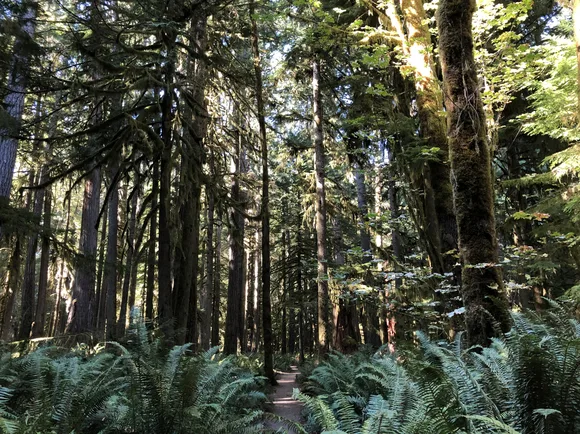
The Hoh River Trail delivers the postcard rainforest experience: Sitka spruce trunks wider than most sedans, nurse logs carpeted in ferns, and light filtering through the canopy in shafts that look staged. It's an easy walk, flat and well-maintained, which means you'll have company. For solitude, push past the first mile and continue toward Mount Olympus; most day hikers turn back before the trail starts climbing. On the coast, Rialto Beach offers driftwood sculptures and tidepools without the permit headaches of the Ozette Triangle. June brings mild temperatures in the low 60s and frequent drizzle, but the rainforest looks best when it's wet.
North Cascades National Park
More glaciers than the rest of the Lower 48 combined / Fewer visitors than a minor league baseball game
North Cascades hosts more than 300 glaciers carving through peaks that look imported from the Alps, yet it sees fewer visitors in a year than Yellowstone gets in a busy afternoon. Most people drive the North Cascades Highway without realizing they're skirting one of the most dramatic alpine landscapes in the country. The turquoise glow of Diablo Lake pulls cars to the overlooks, but the backcountry beyond the pavement stays empty even in August.
This is what the Rockies looked like before Instagram discovered them.
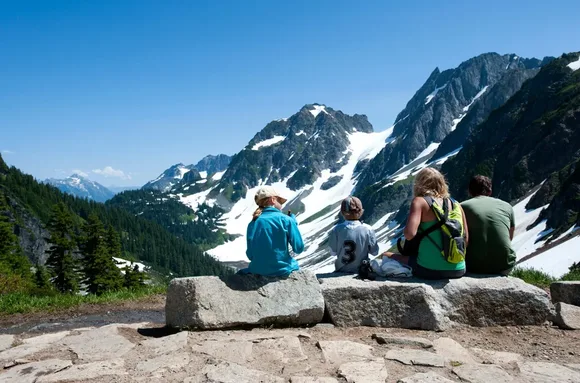
Cascade Pass Trail delivers the park's signature experience: a moderate climb through subalpine forest that opens onto a cirque ringed by glaciers and wildflower meadows. Families with young kids handle the switchbacks without issue, and the payoff at the pass rivals anything in the North Cascades without requiring technical skills or overnight permits. For something gentler, the paved Rainy Lake Loop offers glacier views accessible to strollers and wheelchairs. June sits at the edge of the season here; the highway typically opens by late May, but higher trails stay buried under snowpack until July. Expect lingering snow at Cascade Pass and bring microspikes if you're hiking before mid-June.
Getting There
Olympic sits nearly four hours from Seattle via the ferry to Bainbridge Island or the long drive around Puget Sound through Tacoma. North Cascades cuts that distance in half: two hours from Seattle to the park boundary on Highway 20, with no ferry schedules to juggle. If you're flying into SeaTac, North Cascades makes a cleaner day trip or overnight, but Olympic rewards the extra driving with more variety once you arrive.
The Verdict
Choose Olympic if you want a park that delivers multiple ecosystems in a single trip and don't mind sharing the highlights with other visitors. The combination of rainforest, alpine, and coast doesn't exist anywhere else in the park system, and June offers mild weather before the summer peak. Plan for three to four days to cover the park's spread-out geography.
Choose North Cascades if solitude matters more than variety and you're willing to work around lingering snow. The glaciated peaks rival anything in the Rockies, and you'll have the trails mostly to yourself even on summer weekends. June sits early in the season here, so confirm trail conditions before committing to higher-elevation hikes.