Kīlauea breaks its own record with Episode 48 — how to watch at Hawaiʻi Volcanoes this week
Kīlauea's Episode 48 just broke its own record. Here's where to watch the lava fountains this week without a permit or crowd
Kīlauea's Episode 48 eruption, now three weeks into its run inside Halemaʻumaʻu Crater, just became the longest continuous eruption from this vent since the volcano reawakened in 2020. Lava fountains have been reaching 200 feet high, and the active lava lake inside the crater is putting on a show that rivals anything you'd see in Iceland without the transatlantic flight. If you've been waiting for a reason to visit Hawaiʻi Volcanoes, this is it.
The eruption is visible from multiple overlooks along Crater Rim Trail, and the park remains fully open with normal operating hours. You don't need a permit, a timed entry reservation, or any special equipment beyond a flashlight if you're planning to watch after dark. This is the kind of access that doesn't exist anywhere else on Earth: an active eruption in a place where you can park, walk 50 feet, and watch the planet remake itself in real time.
Hawaiʻi Volcanoes National Park
Three active vents inside Halemaʻumaʻu / 30 miles from Hilo
The best views this week are from Kīlauea Overlook and Keanakākoʻi, both along Crater Rim Trail on the western edge of the caldera. You'll see lava fountaining from multiple vents, an active lava lake, and enough glow to light up the crater walls after sunset. The fountains are intermittent, not continuous, so plan to spend at least 30 minutes at each overlook. If you arrive during a lull, wait. The eruption pattern has been cycling every 20 to 40 minutes, and when the fountains kick back in, the difference is immediate.
Watching lava fountain into the air inside an active caldera is the geological equivalent of seeing the Milky Way for the first time: you knew it was there, but knowing doesn't prepare you.
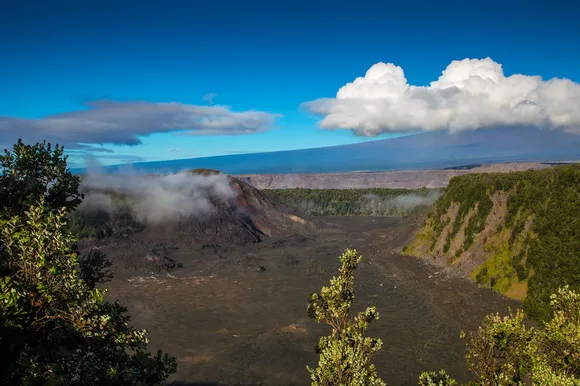
The glow is visible from miles away, but you want to be at the rim. Jaggar Museum Overlook, which used to be the park's signature viewpoint, has been closed since the 2018 eruption and won't reopen anytime soon. That's pushed most visitors to the western overlooks, which means you'll have company. Arrive before 8 AM or after 8 PM to avoid the peak crowd hours. Night viewing is the move if you can swing it: the lava glow intensifies after dark, and the fountains look like they're firing out of the center of the Earth.
Episode 48 started on May 27, and there's no way to predict when it will stop. Kīlauea eruptions can last days, weeks, or years. The 2020 eruption ran for five months. The 2021 episode lasted 16 months. This one could end tomorrow or still be going in July. The USGS updates eruption status daily, and the park posts closure notices if volcanic gas levels spike or new fissures open. As of this week, air quality is good, trails are open, and the only real hazard is tripping over your own feet while staring at the lava.
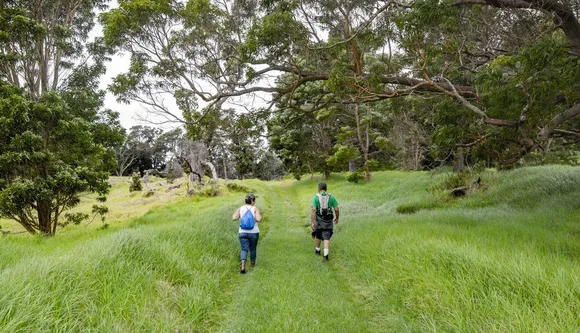
If you're visiting with kids, this is one of the few national park events that holds their attention longer than yours. The Junior Ranger program has an eruption-specific activity booklet, and rangers lead evening talks at the Kīlauea Visitor Center that explain what's happening inside the crater in terms that work for eight-year-olds and geologists alike. Thurston Lava Tube, a 500-year-old tunnel carved by flowing lava, makes the connection between what they're seeing at the overlook and what the landscape used to look like when the whole island was fountaining like this.
The rest of the park is worth your time even if the eruption stops. Kīlauea Iki Trail drops 400 feet into a crater that last erupted in 1959 and lets you walk across the cooled lava lake floor. Chain of Craters Road descends 3,700 feet over 19 miles, passing petroglyphs, lava trees, and the spot where the 2018 lava flow buried the road under 80 feet of rock. Mauna Ulu Trail crosses lava flows from the 1970s that are still warm enough to steam when it rains. You're not looking at ancient geology here. You're walking on rock that's younger than most of the cars in the parking lot.

June is one of the better months to visit. The park sits at 4,000 feet elevation, so temperatures stay in the low 70s even when the coast is sweltering. Rain is lightest in June compared to the rest of the year, though you should still pack a jacket. Volcanic fog, known locally as vog, can reduce visibility when trade winds shift, but it's been minimal during Episode 48. The park's size absorbs the crowds even during peak visitation, and if you're willing to hike past the first mile of any trail, you'll find space.
The eruption won't wait for your vacation schedule, but Hawaiʻi Volcanoes is worth visiting whether Kīlauea is fountaining or not. Right now, though, it's fountaining. That's not something you plan around. That's something you rearrange your summer for.