8 parks for amateur astronomers
Eight certified Dark Sky parks where elevation, isolation, and desert air combine for the clearest views of the Milky Way
The national parks have earned their International Dark Sky designations for a reason: thousands of square miles with no cities, no interstates, and terrain so remote that light pollution becomes an abstract concept. June gives you long twilight for setting up camp and mild nights that won't freeze your fingers while adjusting a telescope mount. These eight parks combine certified dark skies with high elevation or desert air, which means less atmosphere between you and the Milky Way.
The choice between them comes down to whether you want crowds with infrastructure or solitude with gravel roads. Some of these parks have astronomy programs and solar telescopes ready to go. Others require four hours of driving just to reach the entrance station.
Bryce Canyon National Park
Higher elevation than Denver / Dark Sky certification since 2019
Bryce Canyon sits at 8,000 feet, which puts you above a good chunk of atmospheric haze before you even unpack the car. The park runs ranger-led astronomy programs on summer weekends, complete with solar telescopes during the day and constellation tours after dark. You'll share the rim viewpoints with plenty of other visitors during daylight hours, but the crowds thin dramatically once the sun sets and temperatures drop into the 40s.
The hoodoos turn into silhouettes at twilight, and then the sky takes over completely.
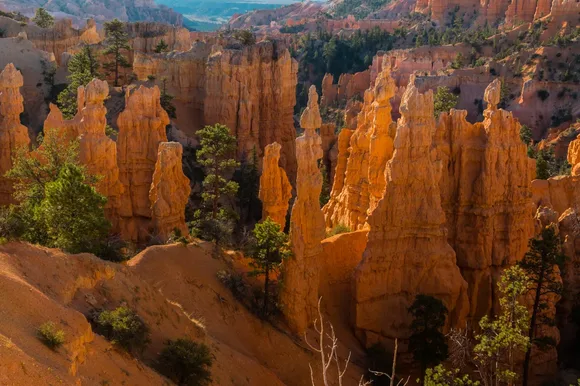
The Astronomy Festival in June brings hundreds of amateur astronomers with scopes set up along the rim. If you're not attending the festival, aim for new moon phases and bring layers. The park's high elevation means thin air and excellent seeing conditions, but it also means you'll be cold by 10 PM even in June. Bryce's shuttle system stops running at dusk, so you'll need your own vehicle to reach the darker viewpoints along the scenic drive.
Capitol Reef National Park
Dark Sky Park since 2015 / Free stargazing programs twice weekly in summer
Capitol Reef sees a fraction of the visitors that mob Arches or Zion, which means darker skies and more elbow room along the Scenic Drive. The park's high desert location at 5,000 to 8,000 feet combines elevation with dry air, and the Waterpocket Fold blocks light from distant towns to the east and west. Rangers set up telescopes near the amphitheater on Wednesday and Saturday nights in June, focusing on planets, star clusters, and whatever nebulae happen to be visible.
The Fremont River petroglyphs look different under red headlamp light, with the Milky Way arcing directly overhead.
Fruita Campground puts you close to the visitor center programs, but if you want true darkness, drive the Cathedral Valley Loop. The road requires high clearance and takes three hours to complete, but you'll be 30 miles from the nearest paved road with nothing but sagebrush and sandstone monoliths. June brings stable weather before monsoon season kicks in, and nighttime temperatures stay comfortable in the low 50s.
Black Canyon of the Gunnison National Park
Dark Sky Park since 2015 / Most visitors have never heard of it
The Black Canyon earned its name from walls so steep and deep that sunlight only reaches the bottom for 33 minutes a day in winter. That same geography keeps light pollution trapped below the rim, and the South Rim's 8,000-foot elevation puts you in crisp mountain air with minimal haze. The park runs stargazing programs on Friday and Saturday nights in June, weather permitting, but you don't need a ranger to appreciate the views. Just walk to any rim overlook after dark.
The canyon becomes a void at night, a black gap between you and the stars reflected in the Gunnison River below.
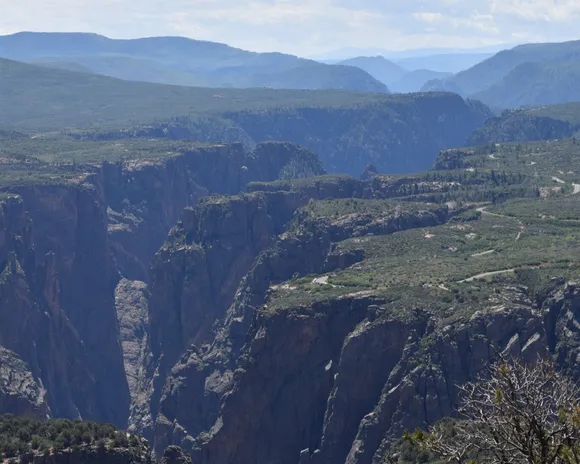
Gunnison and Montrose sit close enough to create a faint glow on the western horizon, but the canyon itself blocks most of the spill. The South Rim Campground keeps you within walking distance of multiple overlooks, and the lack of crowds means you won't be fighting for space at the best viewpoints. June temperatures at rim level drop into the 40s after sunset, so plan for cold even though daytime highs reach the 80s.
Great Basin National Park
Dark Sky Park since 2016 / 13,000-foot peak with zero light pollution
Great Basin's isolation is its greatest asset for astronomy. The nearest city with more than 50,000 people sits 230 miles away, and the park itself sees fewer visitors than most state parks. Wheeler Peak's summit reaches above 13,000 feet, but you don't need to climb that high to benefit from the elevation. The developed campgrounds sit at 7,000 feet or higher, well above the inversion layers that trap haze in valleys.
The Milky Way is bright enough at Great Basin to cast shadows on the ground.
The park hosts an Astronomy Festival each September, but June offers longer nights than summer solstice allows and warmer temperatures than fall delivers. Rangers lead constellation tours on Saturday nights from the visitor center, but the real show happens at Mather Overlook or any pullout along Wheeler Peak Scenic Drive above 9,000 feet. The Bristlecone Pine Grove makes for surreal foreground subjects, with 4,000-year-old trees silhouetted against the galactic core.
Death Valley National Park
Larger than Connecticut / Dark Sky Park since 2013
Death Valley's size works in your favor for astronomy. The park spans territory larger than Connecticut, which means you can drive for hours in any direction and never see another light source. June pushes the limits of comfortable observing temperatures; valley floor locations like Badwater Basin hit 110F after dark, but the higher elevations along Dante's View or Wildrose Canyon stay in the 70s and 80s.
The salt flats reflect starlight like a mirror, doubling the visual impact of the Milky Way overhead.
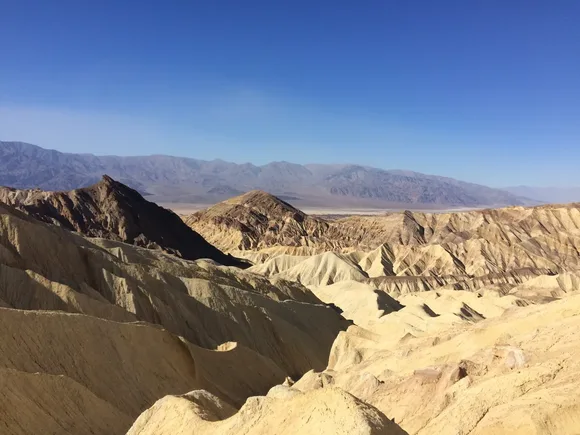
The park's desert air contains minimal moisture, which reduces atmospheric distortion and makes planets appear sharper through a telescope. Harmony Borax Works sits 10 miles north of Furnace Creek and offers dark skies without the drive to higher elevations. If heat isn't a concern, the Mesquite Flat Sand Dunes create dramatic foreground subjects for astrophotography, with smooth curves that catch ambient starlight. Las Vegas glows 120 miles to the east, but the Panamint Range blocks most of the spill.
Big Bend National Park
Five hours from the nearest interstate / 1,200 square miles of Chihuahuan Desert
Big Bend's remoteness creates the darkest skies in the Lower 48. The nearest city of any size sits three hours away across featureless desert, and the park itself occupies territory larger than Rhode Island. The Chisos Basin sits at 5,400 feet, high enough to escape lowland haze but protected enough to avoid wind that rattles telescope mounts. Rangers lead night sky programs twice weekly in June from the amphitheater.
The park's southern latitude puts you closer to the galactic center, which rises higher and brighter here than anywhere else in the continental US.
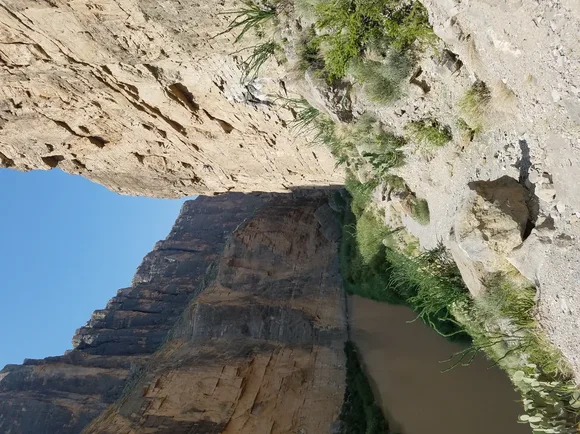
Santa Elena Canyon creates a natural dark sky theater, with sheer walls blocking any stray light from distant sources. The Rio Grande Village area sits at 1,850 feet and tends to be 10 degrees warmer than the Chisos, but the open desert horizon gives you views from north to south without obstruction. June brings stable weather before monsoon storms arrive in July, and nighttime temperatures in the basin hover around 60F.
Canyonlands National Park
Dark Sky Park since 2015 / Four distinct districts spanning canyons larger than Los Angeles
Canyonlands earned its Dark Sky certification for good reason: the park's canyons are so vast and remote that you can drive for 30 miles without passing another car. Island in the Sky sits 6,000 feet above sea level and 1,000 feet above the surrounding plateau, which puts you at eye level with the horizon in every direction. The Grand View Point overlook extends like a peninsula into empty space, with nothing but canyon and sky visible for miles.
The Colorado River reflects starlight 1,000 feet below, a silver thread winding through absolute darkness.
The Needles District sees even fewer visitors than Island in the Sky and offers campsites scattered across the backcountry with zero light pollution. Squaw Flat Campground puts you within hiking distance of Chester Park and the Joint Trail, both of which make for surreal night hiking under a full moon. Rangers lead occasional stargazing programs from the Island in the Sky visitor center, but the real advantage here is solitude. Pick any overlook along the scenic drive after sunset and you'll likely have it to yourself.
Arches National Park
Dark Sky Park since 2019 / Over 2,000 natural stone arches
Arches sees crowds during the day that make solitude impossible, but the park clears out dramatically after sunset. The iconic formations make for spectacular astrophotography subjects, with Delicate Arch and Landscape Arch framing the Milky Way in ways that look almost contrived. The park's high desert location at 4,000 to 5,600 feet combines elevation with dry air, and Moab's lights sit far enough away that they only create a faint glow on the southern horizon.
Balanced Rock becomes an impossibility at night, a 128-foot sculpture that seems to float against the stars.
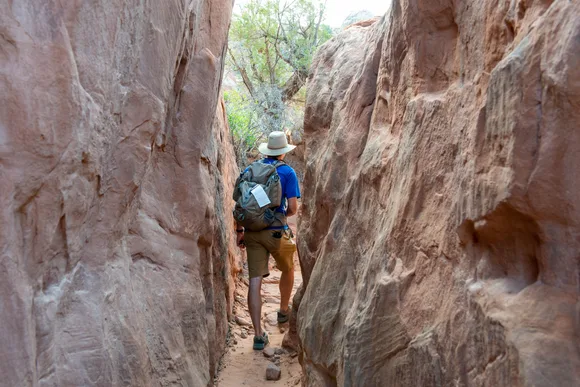
Devils Garden stays open after dark and puts you two miles from the nearest parking lot, which filters out most casual visitors. The Windows Section sits closer to the entrance but offers multiple arches within a short walk of each other, making it easier to find compositions that work for night photography. June brings comfortable nighttime temperatures in the 60s, and the park's northern latitude gives you true darkness by 10 PM despite long summer days.