8 national parks with backcountry campsites worth the permit wait
Eight parks where the backcountry permit lottery protects terrain worth the wait, from Glacier's alpine basins to Denali's zone system
Most backcountry permits get snagged within minutes of the reservation window opening. The parks on this list earn that frenzy: they offer backcountry camping that transforms the experience from crowded shuttle stops into something closer to actual wilderness. These aren't the only parks with backcountry permits, but they're the ones where the system protects terrain worth protecting.
August complicates the equation. Some of these parks hit peak crowds and heat. Others enter their best weather window. The permits you're chasing need to align with what August actually delivers on the ground.
Glacier National Park
About the size of Rhode Island / 700 miles of trail / Peak crowds in July
Sixty backcountry campgrounds scatter across Glacier's mountains and lake basins, and the permit system runs on a split model: half go online in advance, half stay available two days before your trip. That second batch means spontaneous backpackers can still score permits if they're flexible on routes. The Gunsight Pass Trail offers what most people picture when they imagine Montana: glacial lakes, boulder fields, and bighorn sheep grazing above treeline. August brings wildflowers to the high meadows and fewer mosquitoes than July, though Going-to-the-Sun Road still packs with day visitors.
The backcountry campgrounds here feel less like designated sites and more like somebody simply marked the best place to sleep in an alpine basin.
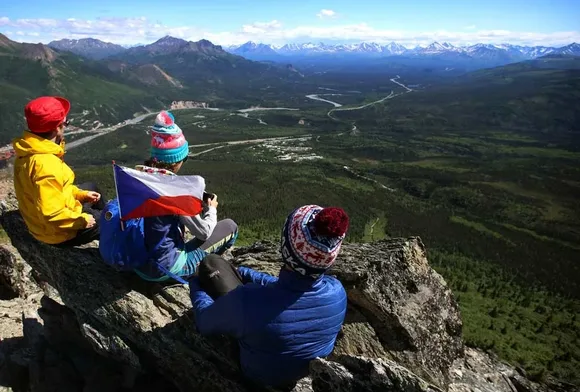
Many Glacier serves as the jumping-off point for the park's premier backpacking routes. From there you can reach Poia Lake or push through to the Belly River drainage, where moose wade through willows and the trails empty out past the first five miles. Families with older kids often tackle the Iceberg Lake day hike as a warmup; the backcountry sites near Fifty Mountain offer a similar landscape stretched over multiple days.
Yosemite National Park
750 miles of trail through granite and sequoia / Permit lottery opens 24 weeks ahead
Yosemite's backcountry swallows the valley crowds whole. The permit system protects over 70 trailheads, and while Half Dome cables require their own lottery, the backcountry routes radiating from Tuolumne Meadows operate on a separate reservation system that's slightly easier to crack. August means the high country trails are fully snow-free, opening access to Cathedral Lakes, Vogelsang, and the entire northern loop. These routes climb through granite bowls where lakes reflect peaks, and the campsites sit far enough from the road that you'll hear coyotes instead of traffic.
The granite here doesn't just frame the landscape; it is the landscape, mile after mile of polished stone and glacial erratics.
The permit reservations open exactly 24 weeks before your start date, and popular trailheads like Happy Isles disappear in minutes. But Yosemite's vastness works in your favor: lesser-known entries like Mono Meadow or the Ten Lakes Trail hold permits longer and deliver equally solid terrain. Families with backpacking experience can manage the Merced Lake High Sierra Camp route, which offers a backcountry experience with the option to resupply at the camp's small store.
Zion National Park
Third most visited park in the system / Backcountry sites stay surprisingly open
Zion's reputation as a packed summer destination doesn't translate to the backcountry. The overnight routes require permits, but the process operates through a lottery system weighted toward advance reservations with walk-up permits released the day before. August heat makes the lower-elevation routes punishing, but the trails starting from Kolob Terrace Road climb into ponderosa forests where temperatures drop and the crowds vanish. The West Rim Trail connects the high plateau to the valley floor through 14 miles of slickrock, forest, and finally the exposed descent via Walter's Wiggles. Camp at the designated backcountry sites along the rim, and you'll wake to views over the entire canyon system.
The same cliffs that funnel day hikers into bottlenecks become natural barriers that keep backpackers spread thin across the high country.
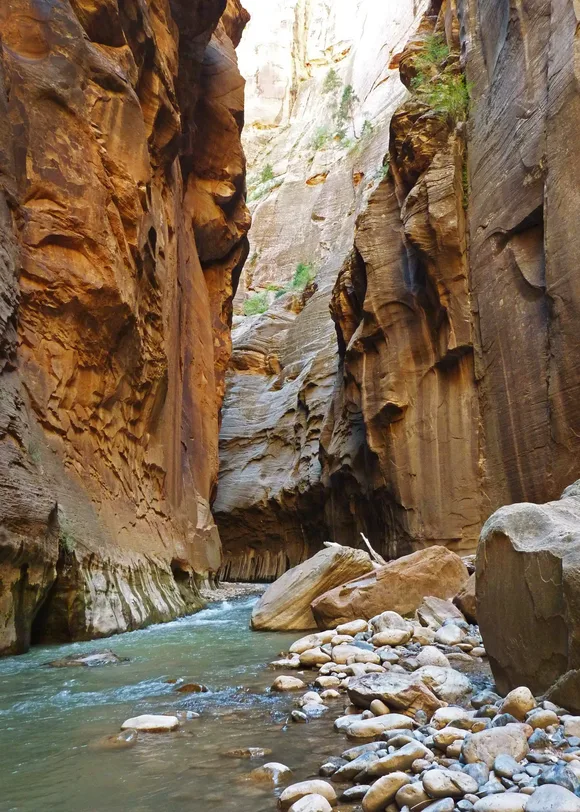
The Narrows offers a different backcountry experience: you're walking upriver through slot canyons where walls rise 2,000 feet overhead and daylight filters through gaps measured in feet. Permits here book fast, but the experience justifies the effort. August means low water levels and warmer temperatures, though flash flood risk never fully disappears. Families with teenagers who can handle current and uneven riverbeds find this route more engaging than standard trail camping.
Grand Teton National Park
200 miles of trail below peaks topping 12,000 feet / Permits one-third reservation, two-thirds walk-up
The Tetons rise so abruptly from Jackson Hole that your first backcountry campsite often sits at treeline, granite spires looming close enough to count cracks. The permit system splits availability: a third of sites can be reserved in advance starting in early January, while two-thirds stay available as walk-up permits the day before your trip. That walk-up majority favors spontaneous backpackers willing to show up at the Craig Thomas Discovery Center at dawn. August delivers the park's most stable weather, and the high-altitude lakes near Paintbrush Divide warm just enough for a quick swim.
Camping at Lake Solitude feels less like backcountry and more like sleeping in an alpine postcard where the mountains don't bother with foothills.
The Cascade Canyon to Paintbrush Canyon loop covers about 19 miles and hits nearly every landscape the park offers: glacial lakes, boulder fields, wildflower meadows, and enough elevation gain to earn the views. Families with strong hikers aged 12 and up tackle this loop as a two- or three-night trip, camping at designated zones that keep groups dispersed. Moose frequent the willow flats near String Lake, and black bears patrol the berry patches above Leigh Lake, so food storage protocol isn't optional.
Sequoia & Kings Canyon National Parks
700 miles of trail / Crowds thin past the giant tree groves
These adjacent parks share a wilderness permit system that covers terrain ranging from sequoia groves to the High Sierra backcountry most people associate with Yosemite. The difference: far fewer people chase these permits. August means the high passes stay snow-free, opening routes like the Rae Lakes Loop, which threads through granite basins and alpine lakes over 40-plus miles. The permit quotas rarely fill outside the most popular trailheads, and the walk-up window stays viable even on summer weekends. You'll share the trail with through-hikers on the John Muir Trail, but the designated campsites scatter groups across enough terrain that solitude comes easier here than in more famous Sierra destinations.
The sequoias anchor the low country, but the high country holds landscapes that rival anything Yosemite offers, with a fraction of the permit competition.
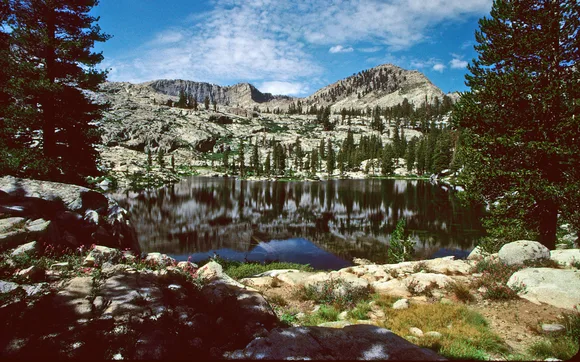
Kings Canyon drops deeper than the Grand Canyon in places, and the backcountry routes along the South Fork Kings River follow that descent through forests and granite narrows. Families with younger kids often start with the Jennie Lakes Wilderness, which offers shorter loops and established campsites near water sources. The High Sierra Trail continues east toward Mount Whitney, but you don't need to chase the summit to access world-class backpacking; the first 20 miles deliver enough granite and alpine scenery to justify the permit hassle.
Denali National Park & Preserve
Bigger than New Hampshire / One road, six million acres of wilderness
Denali operates a backcountry system unlike any other park: no trails, no designated campsites, just 87 permit zones scattered across tundra, taiga, and glacial valleys. You reserve a zone, not a specific site, and once you're dropped by the park shuttle, navigation and route-finding become your responsibility. August sits in the park's narrow summer window, when the tundra dries out enough for hiking and the fall colors start bleeding into the landscape. Grizzlies, caribou, and moose move through the same valleys, and the lack of trees means you'll spot wildlife from miles away. This isn't beginner backcountry; it rewards experience with solitude that feels closer to actual expedition travel than managed wilderness.
You don't follow a trail in Denali; you study the topography, pick a drainage, and trust your navigation skills to bring you back to the road.
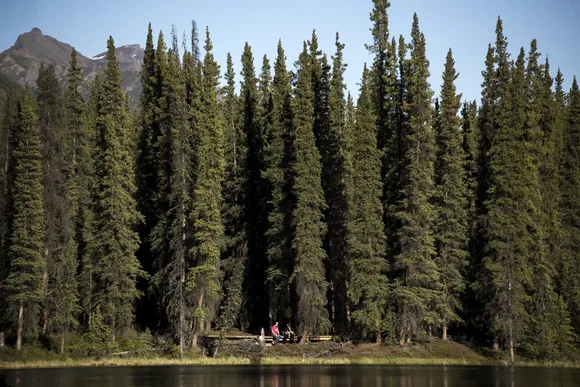
The permit zones closer to the park entrance book faster, but units beyond Eielson Visitor Center stay available longer and offer better access to alpine terrain. Families with teenagers experienced in off-trail navigation can manage the lower-elevation zones near the road corridor, where shuttle access simplifies logistics. The park requires bear-proof food canisters, and rangers conduct a mandatory backcountry orientation before issuing permits. Most backpackers here describe the experience less like camping and more like temporary residency in a landscape still governed by predators.
Canyonlands National Park
Divided into four districts / The Needles and The Maze require different permits and skill levels
Canyonlands separates its backcountry into distinct districts, and the permit system reflects those divisions. The Needles offers established trails through sandstone formations and slickrock domes, with designated campsites near springs and pour-offs. August heat makes daytime hiking brutal, but the high desert cools at night, and the lack of humidity means temperatures drop fast after sunset. The Chesler Park Loop covers about six miles of relatively easy terrain; add a backcountry camp and you can watch the Needles formations change color from dawn through dusk. The Maze District operates on a different scale: this is remote, multi-day route-finding across canyons that require vehicle-supported access or serious mileage on foot.
Camping in the Needles means waking to a landscape that looks more like architecture than geology, with fins and spires arranged in patterns that seem almost deliberate.
The permit lottery runs seasonally, with spring and fall dates booking faster than summer. August sees fewer permit requests, partly because daytime temperatures regularly exceed 90 degrees and partly because families with school-age kids have returned home. That makes late August a sweet spot for backpackers who tolerate heat and want solitude. Water sources remain scarce; every backcountry camp requires you to carry in your full supply. Kids capable of managing heat and mileage thrive on the Needles routes, where the terrain delivers constant visual interest and the campsites feel sheltered among the rock formations.
Olympic National Park
Three ecosystems / 570 miles of trail from rainforest to coast to alpine
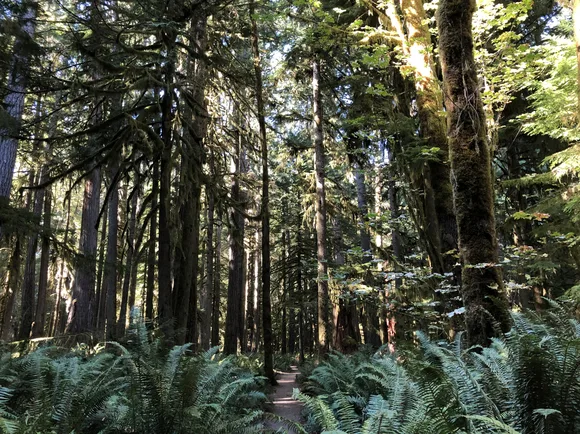
Olympic's backcountry spans terrain most parks can't combine: temperate rainforest trails where moss hangs from every branch, alpine routes below glaciated peaks, and coastal camps where you fall asleep to surf. The permit system divides these zones by ecosystem, and August aligns with the park's driest weather, when the rainforest trails shed their famous mud and the coastal camps see fewer storms rolling off the Pacific. The Hoh River Trail penetrates the rainforest interior, eventually climbing toward Blue Glacier on Mount Olympus. The coastal permits cover beach camping from Ozette to Rialto Beach, where you navigate by tide charts and camp above the driftwood line. Each ecosystem requires different gear and different skills.
The rainforest here doesn't feel lush so much as saturated, every surface hosting ferns, moss, or something else green and thriving on 12 feet of annual rain.
The High Divide Loop covers about 18 miles through alpine meadows and ridgelines, with views over the interior peaks and out to the Pacific. This route books solid through summer, but permits stay available longer than comparable loops in the Cascades. Families with backpacking experience find the coastal camps especially engaging; low tide exposes tide pools, and the beach hiking delivers constant scenery changes without the elevation gain of mountain routes. Black bears patrol all three ecosystems, and raccoons at coastal camps operate with bold efficiency, so food storage matters as much here as in grizzly country.