8 National Parks That Are Better in Winter
Eight national parks where June brings comfortable weather, fewer crowds, and landscapes at their peak
June brings the impossible: warm sun on sand dunes in Colorado, wildflowers in Alaska, and redwood groves without the summer crush. While most travelers chase peak season heat or winter snow, June offers something better: national parks at their most comfortable, before the crowds arrive and after the winter closures lift.
These eight parks hit their stride in June. The weather cooperates, the landscape wakes up, and you'll actually find parking at the trailhead.
Channel Islands National Park
Five islands, 12 miles offshore / Fewer visitors than most city parks
You need a boat to reach California's most overlooked national park, which explains why so few people bother. Channel Islands sits just off the coast of Los Angeles, yet it draws less traffic in a year than Yosemite sees in a week. June brings calm seas, mild temperatures in the low 70s, and wildflowers still blooming across Santa Cruz Island's coastal terraces.
The boat ride to Anacapa takes an hour, but it might as well cross an ocean — the crowds disappear the moment you leave the harbor.
The islands host 145 species found nowhere else on Earth, including the island fox, which weighs about as much as a housecat and shows zero fear of humans. Kayak through sea caves at Santa Cruz, snorkel kelp forests at Anacapa, or backpack to remote Scorpion Ranch where you'll camp within earshot of barking sea lions. The Prisoner's Harbor to Chinese Harbor Trail crosses the island's spine through endemic island oak woodland, nine miles of solitude that most Californians don't know exists.
Denali National Park & Preserve
Bigger than New Jersey / Summer begins in June
June marks the start of Denali's short season when the park road opens beyond mile 30 and the tundra explodes with wildflowers. You won't see another park this size with this few people — six million acres that absorb visitors like a sponge. The sun barely sets this far north in June, giving you 20 hours of daylight to watch grizzlies dig for roots and Dall sheep pick their way across scree slopes.
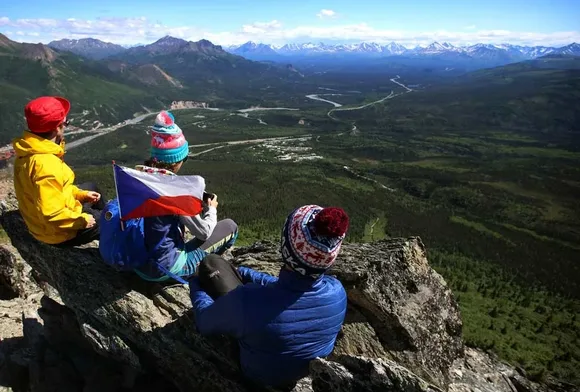
The mountain shows itself about 30 percent of the time — clouds permitting, luck required, patience essential.
The park road stretches 92 miles into wilderness accessible only by shuttle bus, a system that keeps the crowds manageable and the wildlife visible. Get off anywhere past mile 60 and hike cross-country through trackless tundra where caribou outnumber humans by a comfortable margin. The Mount Healy Overlook Trail climbs above the entrance area to views across the Alaska Range, a five-mile round trip that separates casual visitors from those willing to work for it.
Glacier National Park
26 glaciers left from 150 / Going-to-the-Sun Road opens in June
The park's signature road typically opens in early June after months of snow removal, and for a brief window before July's peak crowds arrive, you can drive to Logan Pass without circling for parking. June temperatures hover in the upper 60s in the valleys and lower 50s at elevation, cool enough for comfortable hiking without the afternoon thunderstorms that plague July and August. Wildflowers blanket the meadows below Hidden Lake Overlook while snow still caps the peaks above.
Going-to-the-Sun Road climbs 3,000 feet in 20 miles, switchbacking past drop-offs that make passengers grip the armrests.
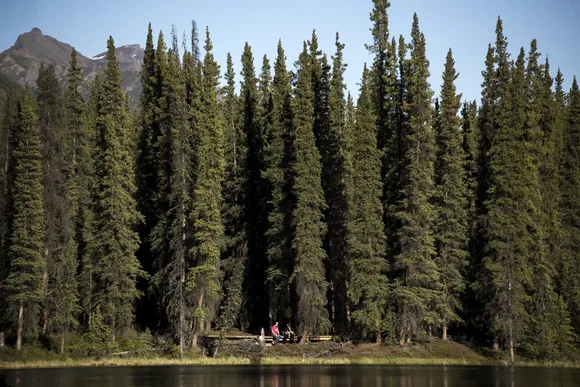
Many Glacier Valley offers the park's best wildlife viewing and trail access without the Going-to-the-Sun Road chaos. The Grinnell Glacier Trail winds past turquoise lakes to a shrinking glacier that's lost 90 percent of its mass since 1966. Iceberg Lake sits in a cirque where chunks of ice float through July, a 10-mile round trip that rewards early starters with empty trails and active wildlife.
Great Basin National Park
Five hours from anywhere / Ancient bristlecones older than the pyramids
Great Basin sits in the middle of Nevada's emptiest corner, which keeps it reliably uncrowded even as other western parks buckle under visitor pressure. June brings warm days in the high 70s and cool nights perfect for stargazing under some of the darkest skies in the Lower 48. The Wheeler Peak Scenic Drive climbs from sagebrush desert to alpine tundra in 12 miles, passing through five distinct climate zones.
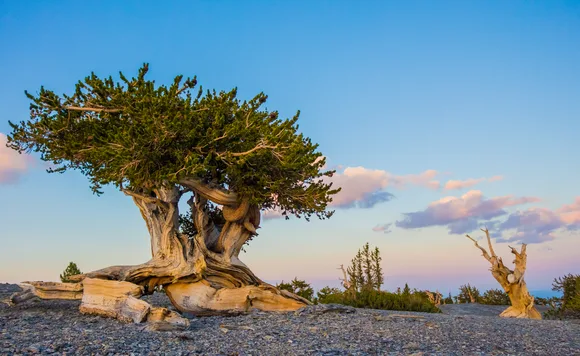
Bristlecone pines grow so slowly that a tree the width of your waist might predate the Roman Empire.
Lehman Caves stays a constant 50 degrees year-round, offering relief from summer heat and showcasing formations that rival Carlsbad without requiring reservations months in advance. The Wheeler Peak Trail gains 3,000 feet to Nevada's second-highest summit, a lung-busting nine miles through bristlecone groves and past alpine lakes that hold ice into July. You'll see maybe a dozen other hikers all day.
Great Sand Dunes National Park & Preserve
North America's tallest dunes / Medano Creek flows in June
Sand dunes rising 750 feet against the Sangre de Cristo Mountains look like a Photoshop mistake until you're standing at their base. June catches Medano Creek at peak flow, when snowmelt creates a shallow stream along the dune field where kids wade and adults soak their feet before attempting the climb to High Dune. The water's cold enough to make you gasp and shallow enough that you can see every ripple in the sand below.
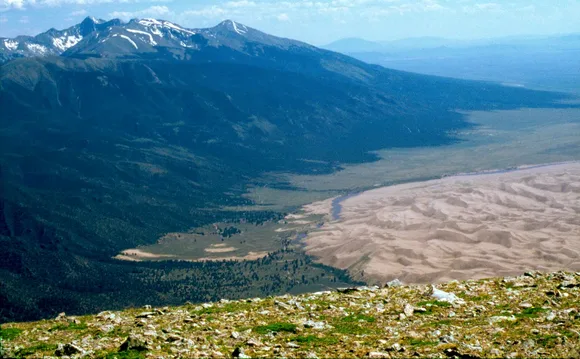
Climbing sand dunes teaches humility — every step forward slides you halfway back, and the ridge you're aiming for never seems to get closer.
Most visitors stop at High Dune, about 650 feet above the parking area, but Star Dune rises another 100 feet and sees a fraction of the traffic. The seven-mile round trip through open sand takes twice as long as you'd expect, but the solitude makes it worthwhile. Hike barefoot when the sand's cool in morning or evening, or watch surface temperatures hit 150F by midday.
Redwood National and State Parks
World's tallest trees / Fog keeps it cool in summer
June brings morning fog that burns off by afternoon, creating ideal conditions for hiking among the world's tallest trees without the heat or crowds that plague inland California parks. The coast redwoods here reach heights that exceed the Statue of Liberty, yet you can walk among them on level trails that wind through groves so quiet you'll hear your own breathing.
Fern Canyon's 50-foot walls drip with five-finger ferns that turn the ravine into something from the Jurassic period.
Lady Bird Johnson Grove offers an easy loop through old-growth forest where trunks measure 20 feet across and sunlight filters through the canopy in shafts. The Tall Trees Trail requires a free permit and drops 800 feet to a grove along Redwood Creek, limiting crowds to those willing to earn the descent. Roosevelt elk graze Elk Prairie in plain sight of the road, bulls with antlers that span five feet across.
Sequoia & Kings Canyon National Parks
General Sherman weighs more than 10 blue whales / Room to breathe
These adjacent parks share an entrance but not the crowds you'd expect for a place harboring the world's largest trees. General Sherman stands 275 feet tall with a trunk 36 feet across at the base, dimensions that don't compute until you're standing at its roots looking up. June temperatures stay comfortable in the mid-70s, and the Giant Forest trails remain surprisingly empty even on weekends.
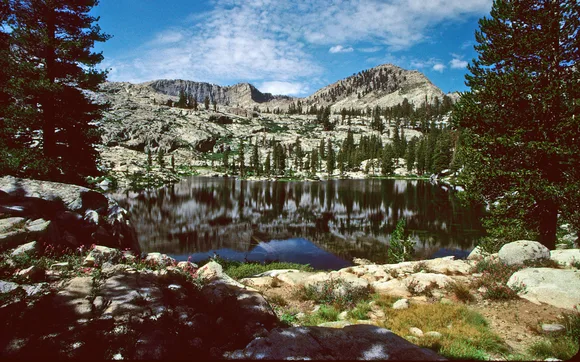
Moro Rock's 350 granite steps climb to a summit where the Great Western Divide fills the eastern horizon like a wall.
Kings Canyon drops 8,000 feet from the High Sierra to the canyon floor, creating North America's deepest canyon by some measurements. The scenic drive dead-ends at Zumwalt Meadow, where a level trail loops through the canyon bottom past granite walls that rise a vertical mile above you. Crescent Meadow Trail circles a subalpine meadow John Muir called the "gem of the Sierra," an easy two miles that passes through giant sequoia groves without the crowds at General Sherman.
Voyageurs National Park
More water than land / Boats required
Voyageurs operates on different rules than most national parks: there are no roads into the interior, minimal hiking trails, and campgrounds accessible only by watercraft. Four interconnected lakes dominate the landscape, creating a water maze where you navigate by chart and compass through boreal wilderness. June brings walleye spawning season, warm water for swimming, and long northern days that stretch past 9 PM.
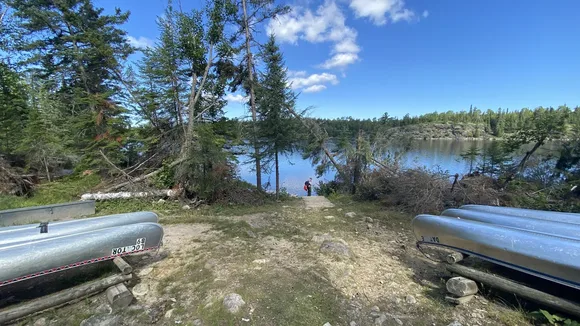
You paddle through water that looks like glass until a loon surfaces 20 feet from your bow and breaks the silence.
Rainy Lake and Kabetogama Lake offer calm water for novice paddlers, while Namakan Lake's island-studded expanse challenges those with navigation skills. The Kettle Falls area sits at the park's heart, accessible by boat or floatplane and home to a historic hotel where you can grab a meal between paddles. Most visitors never make it past the visitor centers, leaving the interior to those willing to haul their own boat or rent from nearby resorts.