8 national park campgrounds with the best fall foliage views
Eight national park campgrounds where October delivers peak color, open campsites, and views worth the drive
October is the moment when national parks shed their summer crowds and pull on their best color. The trailheads empty out, the campgrounds open up, and the forests turn into something worth planning a year around. These eight parks prove that the best fall camping isn't about chasing a single overlook; it's about waking up inside the show.
You'll need reservations for most of these campgrounds, even in October. The secret is out.
Acadia National Park
Draws more visitors than most western parks / Peak color hits mid-October
Acadia's maples and oaks explode into reds and oranges that frame every view along Park Loop Road, but the real payoff is camping at Blackwoods or Seawall when the crowds thin and the granite peaks turn into autumn postcards. You'll wake up to mist rolling off Jordan Pond and spend the day hiking through forests that rival anything in New England, all with the Atlantic as your backdrop. The Carriage Roads are perfect for biking through tunnels of color without fighting traffic.
The sunrise from Cadillac Mountain gets the headlines, but the view from your tent at Seawall costs nothing and comes with crashing waves.
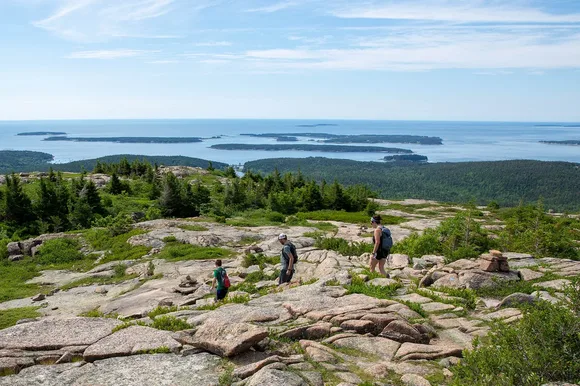
October brings shoulder-to-shoulder crowds on weekends, especially around peak foliage in mid-month, but weekdays open up space on the trails and parking lots. The Bubbles Trail and Jordan Pond Shore Trail offer easy color without the crush you'll find on Cadillac's summit. Camp at Blackwoods for proximity to the Loop Road, or choose Seawall for a quieter shoreline experience where you can fall asleep to the sound of surf.
Shenandoah National Park
Skyline Drive stretches for 105 miles / October is peak season for a reason
Shenandoah's fall color runs on a calendar you can almost set your watch to: early October at higher elevations, mid-month in the valleys, and late October for the last stubborn oaks. The park's four campgrounds put you within striking distance of Skyline Drive's overlooks and the hollows below, where trails like Dark Hollow Falls and Limberlost wind through forests that were farmland a century ago. Big Meadows Campground sits at 3,500 feet, where the color peaks earliest and the views stretch across the Shenandoah Valley.
You can drive the entire length of Skyline Drive in four hours, but you'll want to stop at every pullout.
The park draws steady weekend traffic in October but never reaches the packed conditions of summer. Mathews Arm and Loft Mountain campgrounds offer more solitude than Big Meadows, with access to trails like Overall Run Falls and quick exits to less-traveled sections of the Drive. Families will find easy walks to waterfalls and wildlife viewing in the meadows at dawn, when deer graze in numbers that feel almost excessive.
Great Smoky Mountains National Park
More visitors in October than most parks see all year / Color starts at high elevations
The Smokies earn their reputation as the most-visited national park every October, when the entire eastern seaboard seems to descend on Cades Cove and Newfound Gap. The color is worth it: maples, hickories, and poplars turn the ridges into a patchwork of golds and reds that stretches from Tennessee to North Carolina. Cades Cove Campground puts you inside the historic valley loop, where sunrise brings fog and wildlife before the traffic starts. Elkmont and Smokemont campgrounds offer quieter forest settings with access to waterfalls and backcountry trails.
The parking lot at Clingmans Dome fills before 9 AM on October weekends, but the campgrounds never reach capacity mid-week.
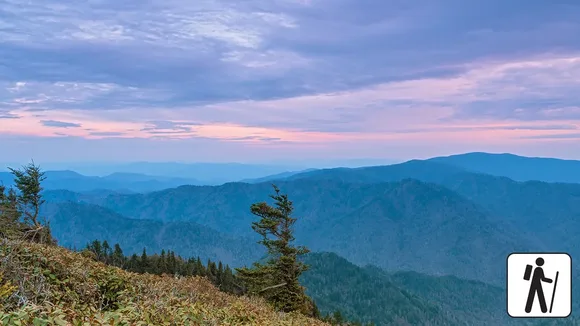
Peak color hits different elevations throughout October: Clingmans Dome and Newfound Gap turn first, followed by the mid-elevation trails like Alum Cave and Rainbow Falls, with the valleys holding color into early November. Arrive early for trailhead parking or choose lesser-known hikes like Porters Creek, where old-growth forests and historic homesites see a fraction of the crowds. Laurel Falls Trail is paved and accessible for families, but expect company.
Cuyahoga Valley National Park
Twenty miles of canal towpath through Ohio forest / Brandywine Falls at peak color
Cuyahoga doesn't have campgrounds inside the park, but nearby Stanford House and Countryside Campground put you within minutes of the Towpath Trail and Brandywine Falls, where October turns the forest into a riot of yellows and oranges. The park's location between Cleveland and Akron makes it the most accessible fall color destination in the Midwest, with easy trails like Brandywine Gorge and Ledges Trail offering boardwalks and overlooks through sandstone cliffs draped in autumn.
Brandywine Falls drops 65 feet through a frame of maples that peak in mid-October, and the boardwalk puts you close enough to feel the spray.
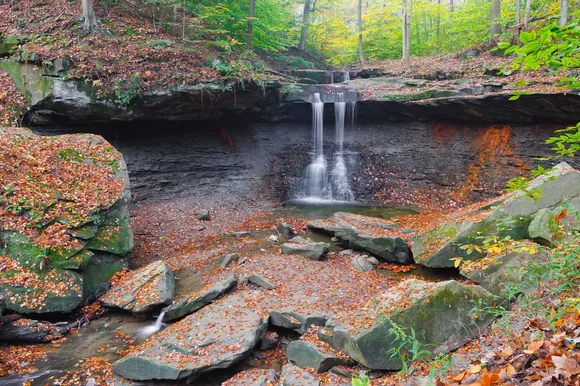
The Towpath Trail follows the historic Ohio & Erie Canal for 20 flat, easy miles, perfect for biking through fall color without the elevation gain you'll find in mountain parks. Blue Hen Falls and Buttermilk Falls offer quieter waterfall hikes than Brandywine, and the Ledges Trail winds through slot canyons and rock formations that feel more like Utah than Ohio. Families will find accessible paths and a scenic railroad that runs through the valley on weekends.
Rocky Mountain National Park
Aspens turn gold above Bear Lake / Campgrounds stay open through October
Rocky's fall show is all about aspens: white-trunked groves that turn electric gold in late September and hold through early October before Trail Ridge Road closes for the season. Moraine Park and Glacier Basin campgrounds sit in valleys where aspens frame views of the Continental Divide, and trails like Bear Lake Loop and Emerald Lake wind through forests that glow in afternoon light. The park stays crowded through September, but October weekdays open up after the first snow dusts the high peaks.
When aspens turn, the entire mountainside flickers in the wind like ten thousand candles.
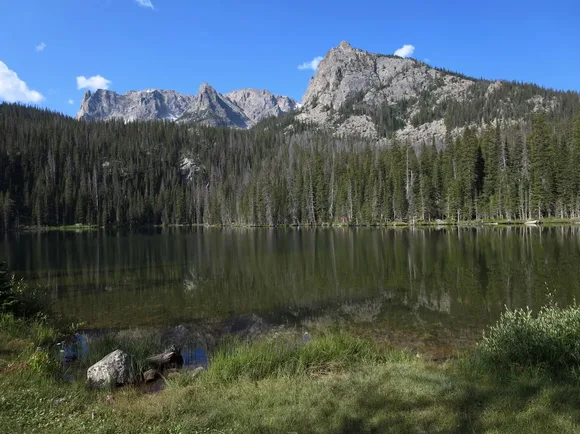
Trail Ridge Road typically closes by mid-October, but the lower-elevation trails around Bear Lake and Wild Basin remain accessible and deliver the best aspen color. Dream Lake and Nymph Lake see steady traffic, but pushing on to Emerald Lake thins the crowds. Longs Peak attempts drop off in October, opening up Glacier Gorge for quieter hiking among golden groves. Moraine Park Campground stays open year-round; reserve early for late September and early October.
Glacier National Park
Going-to-the-Sun Road closes by mid-October / Larches turn gold at high elevations
Glacier's fall color comes from an unexpected source: alpine larches that turn brilliant gold above treeline in late September and early October. These deciduous conifers carpet the high country around Many Glacier and create a brief window of color that rivals anything in the Rockies. Many Glacier Campground and Apgar Campground stay open into October, offering front-row seats to the Grinnell Glacier Trail and Iceberg Lake, where larches frame turquoise water and granite peaks.
Alpine larches turn gold for two weeks in late September, then drop their needles like any eastern hardwood.
Going-to-the-Sun Road closes after the first significant snow, usually by mid-October, but the lower valleys and Many Glacier area remain accessible and deliver the park's best fall hiking. Hidden Lake Overlook and Avalanche Lake trails offer easy access to color, while Grinnell Glacier and Iceberg Lake push into the high country where larches dominate. The park empties out fast after Labor Day; October weekdays feel almost private.
Grand Teton National Park
Aspens turn gold against granite peaks / Campgrounds open through September
The Tetons rise 7,000 feet without foothills, so when the aspens turn gold in late September, they frame views of granite and glaciers that define the Mountain West. Jenny Lake Campground and Colter Bay Campground put you at the base of trails like Cascade Canyon and String Lake, where fall color runs up to treeline and wildlife descends into the valleys. The park's shoulder season stretches into October, when most campgrounds close but the crowds vanish and the air turns crisp.
Oxbow Bend reflects the Tetons in still water framed by aspens that glow gold in morning light.
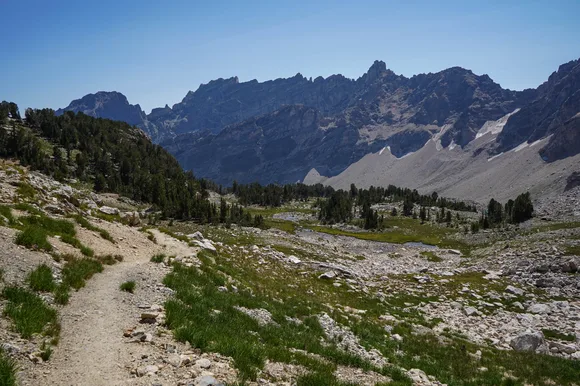
Jenny Lake Loop and Leigh Lake trails deliver easy hiking through aspen groves with constant views of the peaks. Cascade Canyon pushes deeper into the range, where color climbs to the high basins and wildlife sightings increase as elk and moose move to lower elevations. Most campgrounds close by early October, but nearby Jackson offers overflow camping and the park's day-use areas remain accessible for those willing to drive in daily.
Sequoia & Kings Canyon National Parks
Giant sequoias and fall color / Fewer visitors than Yosemite next door
Sequoia's fall color plays out beneath the biggest trees on Earth, where black oaks and dogwoods turn yellow and red against sequoia trunks that exceed 30 feet wide. Lodgepole and Dorst Creek campgrounds sit in the Giant Forest area, within walking distance of the General Sherman Tree and trails like Congress and Big Trees that wind through groves draped in autumn. The park sees a fraction of Yosemite's October crowds, and the campgrounds rarely fill mid-week.
When black oaks turn yellow beneath General Sherman, the color frames a tree so large it defies photography.
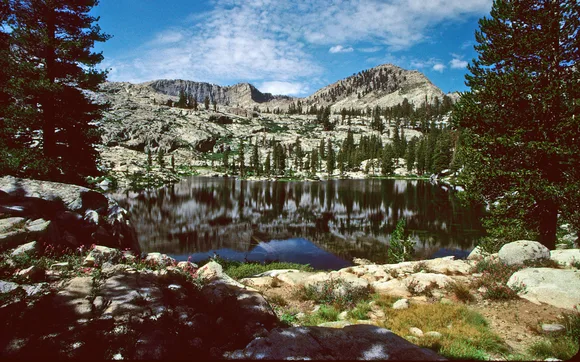
Kings Canyon's Cedar Grove area closes in mid-October, but the Generals Highway and Giant Forest remain open year-round, offering access to Moro Rock and Crescent Meadow through peak color. Trails like Tokopah Falls and Little Baldy deliver autumn hiking with fewer people than you'll find anywhere in the Sierra. The park's elevation means cold nights in October; plan for frost and campfires.