8 historic lodges in national parks worth the splurge
Eight historic lodges where the architecture rivals the landscape and reservations open months in advance
National park lodges don't make sense on paper. You're paying hotel prices for shared walls, coin-operated showers, and furniture that predates your parents. But step into the lobby at Old Faithful Inn or look out from your room at Crater Lake Lodge, and the spreadsheet logic evaporates. These aren't hotels. They're front-row seats to geology, built when architects still believed a building should defer to its landscape.
June brings the best of both worlds: the lodges are open, the snow has cleared from high country trails, and you're ahead of the peak summer surge. Here are eight historic lodges where the reservation wait time is worth it.
Old Faithful Inn, Yellowstone National Park
Built in 1904 from lodgepole pine / Geyser erupts every 90 minutes
The lobby rises seven stories under a canopy of interlaced logs that looks like it grew rather than was built. Robert Reamer designed the inn with a massive stone fireplace, interior balconies that wrap the atrium, and a clock powered by the geyser's steam. Old Faithful erupts 500 feet from the front porch, visible through floor-to-ceiling windows if you time your breakfast right. Rooms in the Old House have no elevators and share bathrooms down the hall, but you're sleeping in the oldest standing structure in any national park.
The inn's architect instructed builders to leave bark on the logs and knots in the wood — imperfection was the point.
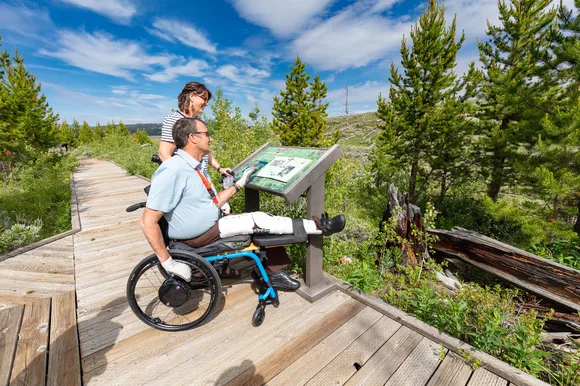
The park's size works in your favor here. While Old Faithful draws crowds, Yellowstone spans an area larger than Rhode Island and Delaware combined. Drive 30 minutes north to Norris Geyser Basin or south to West Thumb, and you'll find boardwalks with more geothermal features and half the people. The inn's location puts you within striking distance of the Grand Prismatic Spring overlook trail and the Lower Falls of the Grand Canyon of the Yellowstone, both accessible before most visitors finish their coffee.
Many Glacier Hotel, Glacier National Park
Swiss chalet on Swiftcurrent Lake / Twenty-six glaciers remain from 150
The hotel sits at the end of a long valley where Grinnell Glacier calves into a turquoise lake you can hike to in half a day. Built in 1915, Many Glacier was designed to mimic the grand Alpine hotels of Switzerland, complete with exposed timber beams and a lobby that opens onto a lakefront lawn where deer graze at dusk. The location is remote enough that most visitors skip it in favor of Lake McDonald Lodge on the west side, which means you're trading convenience for solitude.
The dining room windows frame Grinnell Point so perfectly you'll forget to look at your menu.
Going-to-the-Sun Road doesn't reach the hotel. You drive in from the east entrance through open prairie that shifts to aspen groves and suddenly drops you at the lake. The Grinnell Glacier Trail starts five miles down the road and climbs through wildflower meadows to a glacial lake so cold it stays partially frozen through July. Iceberg Lake Trail offers a shorter alternative with better odds of spotting mountain goats on the cliffsides above you.
El Tovar Hotel, Grand Canyon National Park
Built from Oregon pine and native stone / One mile deep, 277 miles long
El Tovar opened in 1905 as the Fred Harvey Company's crown jewel, designed to attract railroad tourists who expected luxury even at the edge of a chasm. The architecture mixes Arts and Crafts rusticity with European hunting lodge grandeur, and the result is a building that somehow doesn't look ridiculous perched 20 feet from the South Rim. Rooms are small by modern resort standards, but the canyon views from the rim-side suites make up for the square footage.
You can watch sunrise over the canyon from your bed or walk 30 seconds to the rim trail — the hardest choice you'll make all day.

The Rim Trail stretches for miles in both directions, paved and nearly flat, connecting viewpoints that each reveal a different angle on the canyon's layer-cake geology. Most visitors cluster at Mather Point and Yavapai Observation Station, but walk west toward Hermits Rest and the crowds thin after the first mile. Bright Angel Trail descends from the village if you want elevation loss and knee pain; the first mile to the tunnel offers a taste without committing to the full rim-to-river descent.
The Ahwahnee, Yosemite National Park
Cathedral ceilings and granite cliffs / Waterfalls drop half a mile
The Ahwahnee was built in 1927 to convince wealthy visitors that camping wasn't mandatory. The dining room features 34-foot ceilings, floor-to-ceiling windows framing Glacier Point, and chandeliers that look like something airlifted from a medieval castle. The exterior blends concrete, stone, and wood in a way that mimics the valley's granite walls, and the interior leans into maximalist grandeur with Native American baskets, Turkish kilims, and Art Deco ironwork.
Ansel Adams stayed here while photographing the park — which tells you everything about the light through those windows.
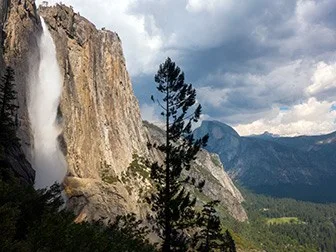
Yosemite Valley concentrates the park's most famous features into seven square miles. Half Dome looms over the east end, El Capitan anchors the west, and Yosemite Falls drops in three tiers from the north rim. The Mist Trail to Vernal Fall starts at the valley's edge and climbs through spray so heavy you'll need a rain jacket in June. The Four Mile Trail switchbacks up to Glacier Point for the classic valley view, but it's a quad-burner — consider driving up and hiking down instead.
Bryce Canyon Lodge, Bryce Canyon National Park
Log and stone at 8,000 feet / Earth's densest hoodoo forest
Gilbert Stanley Underwood designed Bryce Canyon Lodge in 1925 with the same rustic aesthetic he brought to the Ahwahnee and Zion Lodge. The main building centers on a stone fireplace flanked by ponderosa pine logs, and the dining room opens onto a lawn that looks directly into the amphitheater. The park's small size means you're never more than a few minutes from a trailhead, and the lodge sits within walking distance of Sunrise Point and Sunset Point.
The hoodoos glow orange at sunrise and crimson at sunset — time your rim walk accordingly, or just do both.
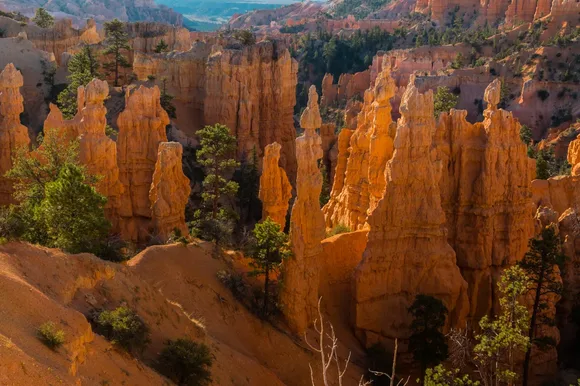
The Navajo Loop drops into the amphitheater through a slot canyon called Wall Street, where Douglas firs grow so tall and narrow you can touch both walls simultaneously. Queens Garden Trail offers a gentler descent with closer views of the named formations, and you can combine both into a loop that takes under three hours. The Rim Trail connects all the major viewpoints and stays mostly level, ideal for families with young kids or anyone who wants hoodoo views without the elevation change.
Zion Lodge, Zion National Park
Red cliffs rise 2,000 feet / Angels Landing's chain climb draws lines
Zion Lodge burned down in 1966 and was rebuilt the following year, so it lacks the century-old patina of its siblings. But the location in the middle of Zion Canyon puts you within walking distance of trailheads that other visitors reach by shuttle. The lodge has cabins with gas fireplaces and porches facing the cliffs, plus a lawn with Adirondack chairs where you can watch climbers inch up the walls across the canyon.
The Virgin River runs cold enough in June to numb your legs in minutes — which is exactly what you want after descending Angels Landing.
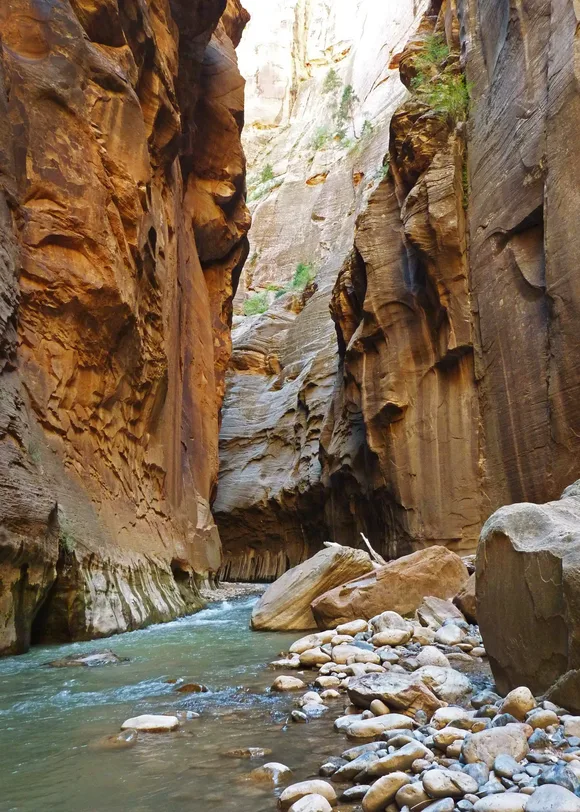
Angels Landing requires a permit now, issued by lottery, which has cut the chain section traffic considerably. The Narrows offers an alternative that trades exposure for immersion: you're wading upriver through a slot canyon so narrow the walls block the sun except at midday. Emerald Pools Trail gives you waterfalls and red rock without the commitment, and the Pa'rus Trail runs along the Virgin River with zero elevation gain, paved the whole way for strollers and wheelchairs.
Crater Lake Lodge, Crater Lake National Park
Built 1915, rebuilt 1995 / America's deepest lake fills a volcanic caldera
The original lodge nearly collapsed before the Park Service finally rebuilt it in the 1990s, keeping the exterior shell and gutting everything inside. The result is a building that looks period-appropriate from the parking lot but has modern plumbing and insulation once you're inside. Every room on the lake side has a view of the caldera, and the Great Hall has a stone fireplace large enough to walk into.
The lake's blue isn't a trick of the light — it's pure snowmelt with almost no sediment, and scientists use it as a clarity baseline.
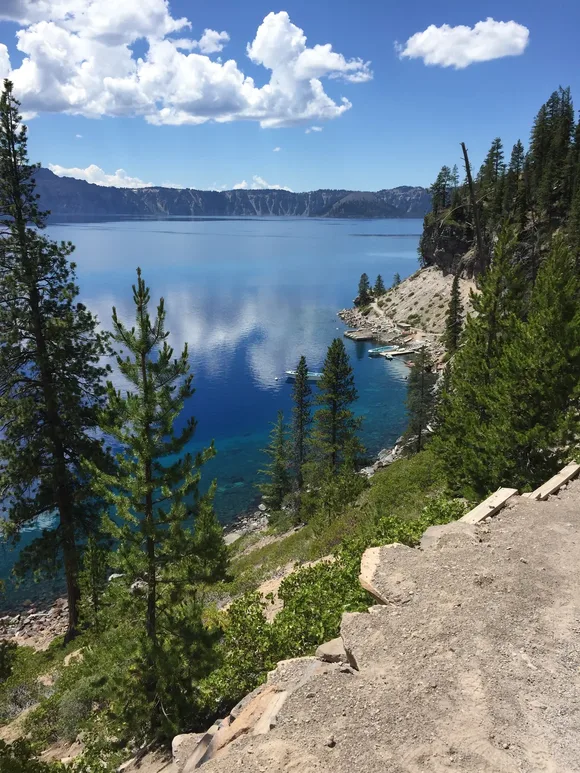
Rim Drive circles the caldera for 33 miles, with pullouts every few minutes offering slightly different angles on Wizard Island and the far cliffs. Watchman Trail climbs to a fire lookout with 360-degree views, while Cleetwood Cove Trail is the only legal route to the water, a steep descent that requires the same lung-burning climb back up. The lake is severely underrated relative to its Southwest peers, which means you'll have rim viewpoints to yourself even in peak summer.
Paradise Inn, Mount Rainier National Park
Built from Alaska cedar in 1916 / More glaciers than any Lower 48 peak
Paradise Inn sits at 5,400 feet in an alpine meadow that erupts with wildflowers in July but still holds snow patches in early June. The lobby features massive log columns, exposed beam ceilings, and rustic furniture built by a German carpenter who carved woodland scenes into every available surface. The inn closes from October through May because the snow buries it, which gives the building a seasonal rhythm that matches the park's own.
Rainier creates its own weather — clear skies at sunrise can turn to whiteout fog by lunch, then back again by dinner.

The Skyline Trail loops through the meadows above Paradise, offering close views of the Nisqually Glacier and unobstructed shots of the summit if the clouds cooperate. Reflection Lakes sits a few miles down the road and delivers exactly what the name promises: a mirror image of Rainier in still water, best at dawn before wind ripples the surface. The inn's proximity to Seattle makes it popular with weekenders, but the mountain's weather patterns keep crowds manageable since half the visitors turn around when they hit fog.